NONFICTION
Essays on history, the arts, economics, philosophy, and politics. Current features and ongoing series.
Arts and Culture
Kiwi Jr.’s Jeremy Gaudet talks new album, production philosophy, and movie theater seats.
Poison Tree’s music recommendations for July. In no particular order.
Featuring: The Scorpios, Ouiness, Artery, Family Fodder, The Minders, The Gizmos, Dolly Mixture, Big Joanie, and more.
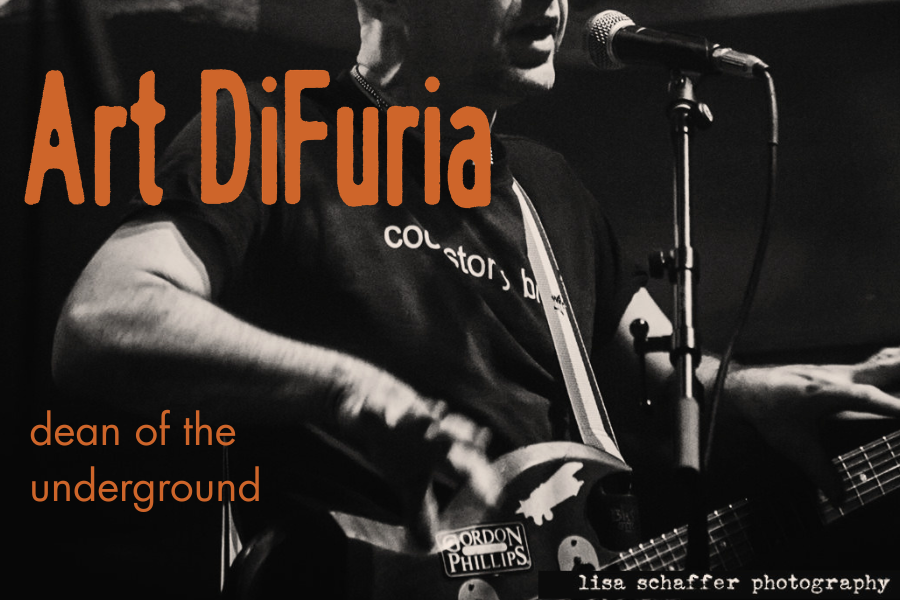
Art DiFuria’s music has always been a staple in my life. For ages, I didn’t even know I was tuning in to him in particular.
He’s ‘90s cool, he’s psychedelic resurgence. Above all, he’s a pleasant guy to talk to:
Le Belladone demands to be listened to—and watched. Quebec’s brilliant rising star now in conversation with Poison Tree.
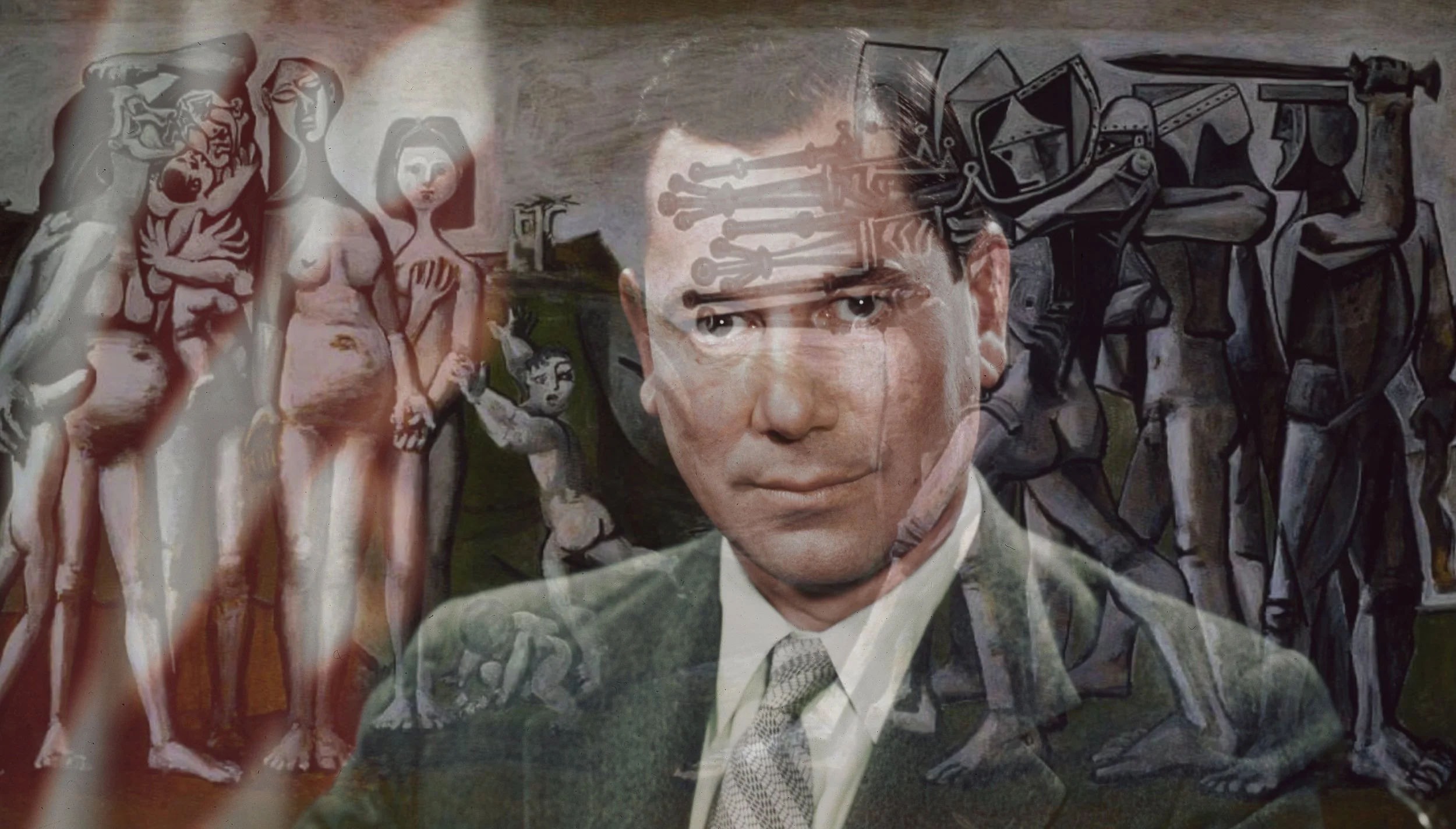
I felt the need to write about Lynch, attempting to come to terms with some of the auteur's works and impact. Enjoy some colour theory and analysis, as well as some waxing lyrical.
I've spent so long staring at screens that my eyes have gone square. Rectangular is probably more accurate but that isn't really a phrase.
Politics and Economics
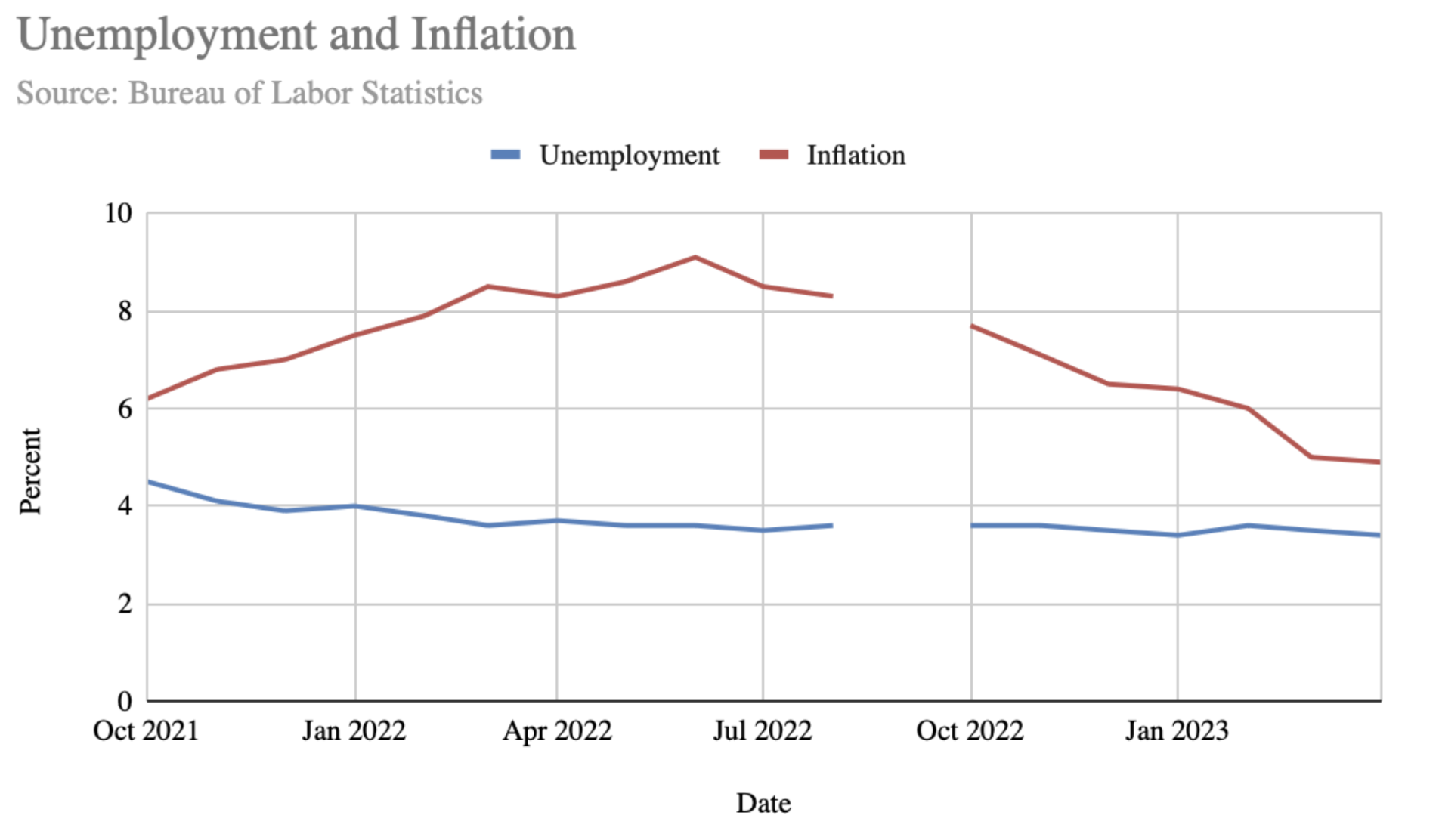
The orthodoxy has failed us when it comes to analyzing inflation. The simplified see-saw, with inflation on one end and unemployment on the other, is a valuable key to understanding inflation, but it’s not the full picture. The stagflation that plagued the 1970s is clear evidence that this dynamic is not consistent. Focusing on employment does not cut it, especially in a situation as unique as a post-pandemic economy.
My ballot is a list of unopposed nominees this year, a touch-screen coronation for machine men and women who waited their turn and reached the front of the line. For me, there is no line. I’m in and out in a minute. I don’t vote for anybody running unopposed; there’s something I can’t stand about that…
Voting for Reform is the same cultural, fear-based voting from our society’s elderly that led to Brexit, why else would a population who lives off of benefits in the form of pensions and requires far more socialised medical care vote for a party which stands for cutting benefits and privatising the NHS?
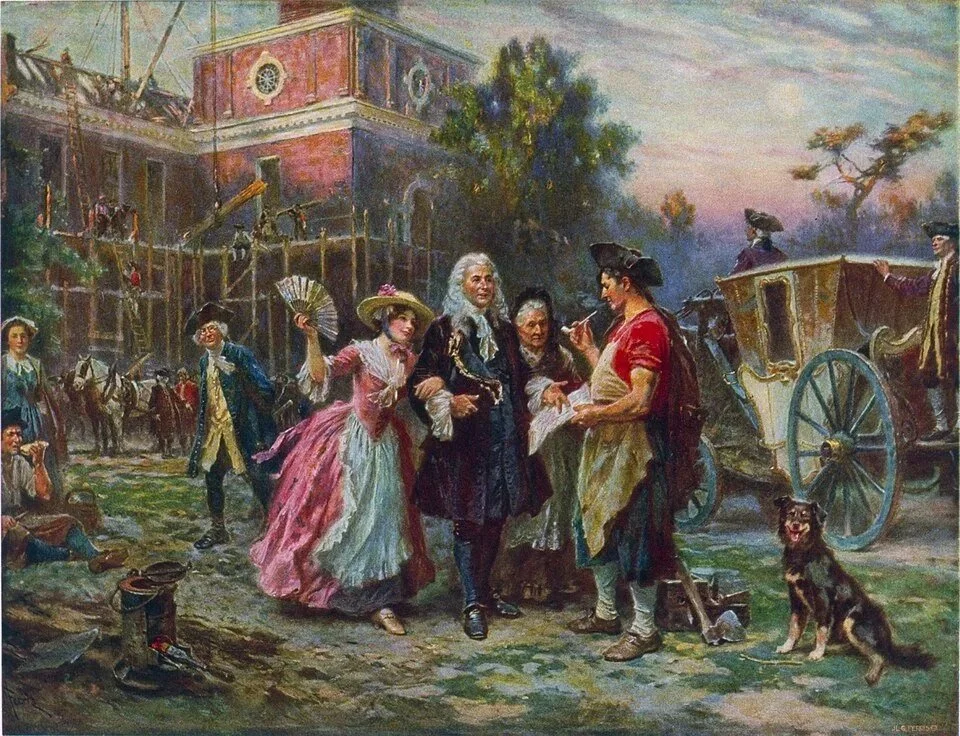
In the spring of 1778, Philadelphia was an occupied city. After defeats at Brandywine Creek and Germantown in the autumn of 1777, George Washington’s army had retreated to Valley Forge. The Liberty Bell was smuggled out of the city and hidden in a basement in Allentown for fear that it would be melted down to make bullets for the occupation.
Thames Water is about to go bankrupt and it would be a robbery to let the Government sell off our water to the highest bidder once again.
Debt is inherent to the human experience. We exist within social structure, within societies, and at their most basic levels these relationships are based upon common aid and community.
History
On September 12, 1973, an American Pan Am 707 landed in Shanghai. On board were 120 members of the Philadelphia Orchestra, led by their conductor, Eugene Ormandy. After taking a final late-night flight from Shanghai to Beijing, the orchestra disembarked and was led through the quiet early morning streets by Chinese officials and staffers at the US liaison office in Beijing.
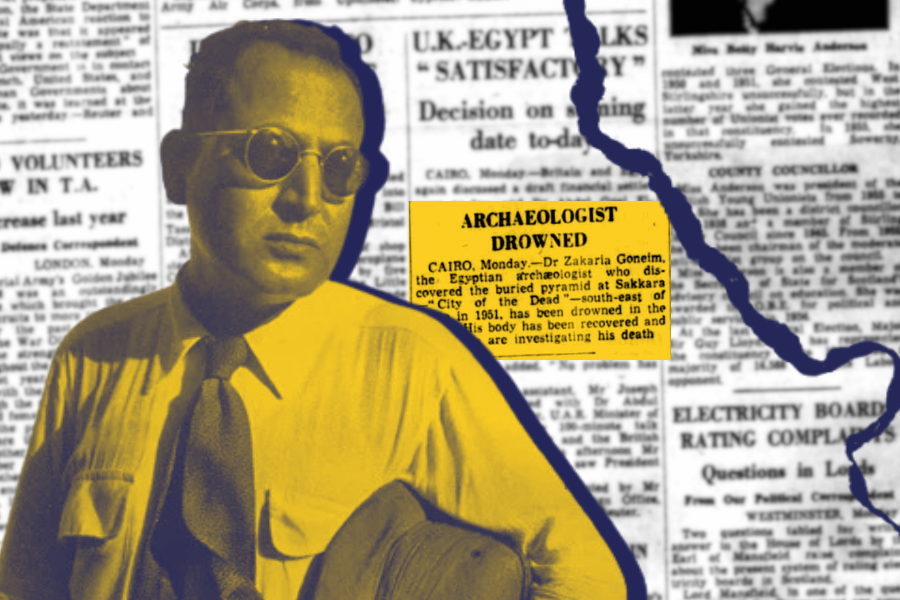
In 1951 Zakaria Goneim made an incredible discovery. Eight years later his body was found floating in the Nile. His death is the second in this story. The first, nearly 4.5 thousand years earlier, set the stage for a conspiracy that still has ripple effects today.
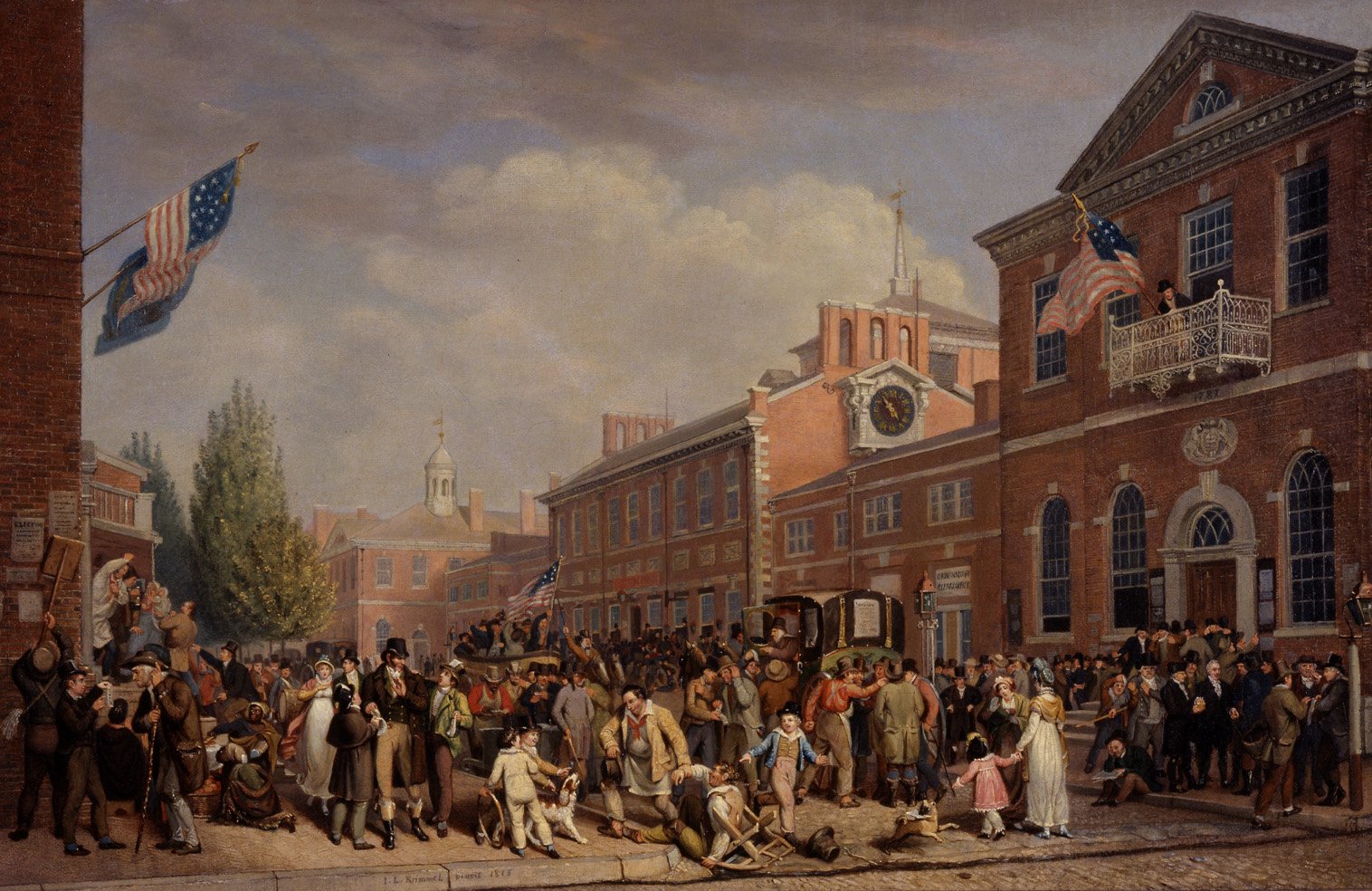
Though Philadelphia has taken on many forms in its almost 350 years of history, it is often associated with an idealized version of the founding values of the United States. According to the traditional narrative, Philadelphia is the cradle of American liberty – the place where the Founding Fathers and political thinkers like Thomas Paine debated the ideas that would go on to define the nation and distinguish it from the monarchies of the Old World.
In the spring of 1778, Philadelphia was an occupied city. After defeats at Brandywine Creek and Germantown in the autumn of 1777, George Washington’s army had retreated to Valley Forge. The Liberty Bell was smuggled out of the city and hidden in a basement in Allentown for fear that it would be melted down to make bullets for the occupation.
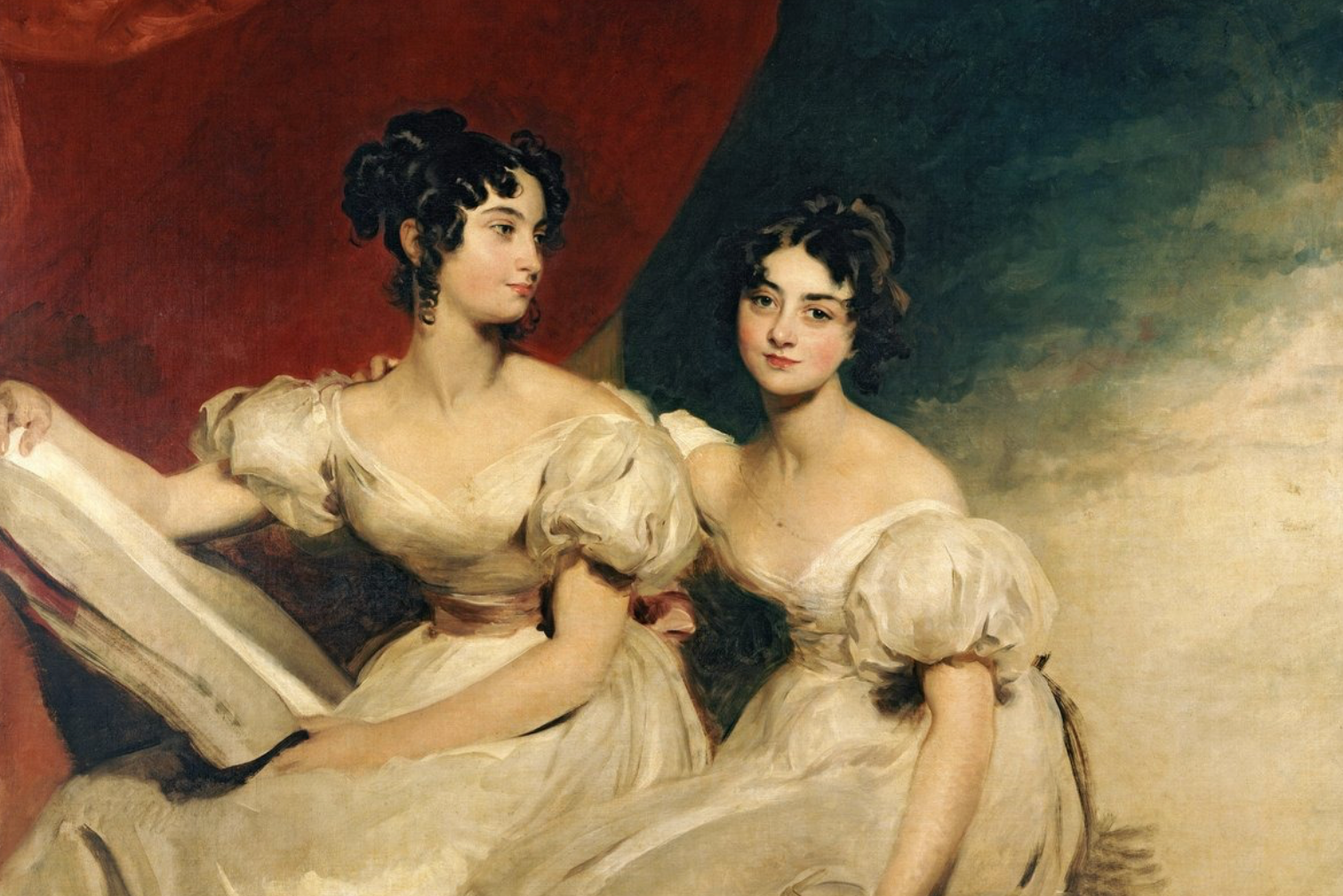
Among his portfolio of portraits of kings, queens, and popes, this iconic Sir Thomas Lawrence painting depicts an unlikely pair of women.