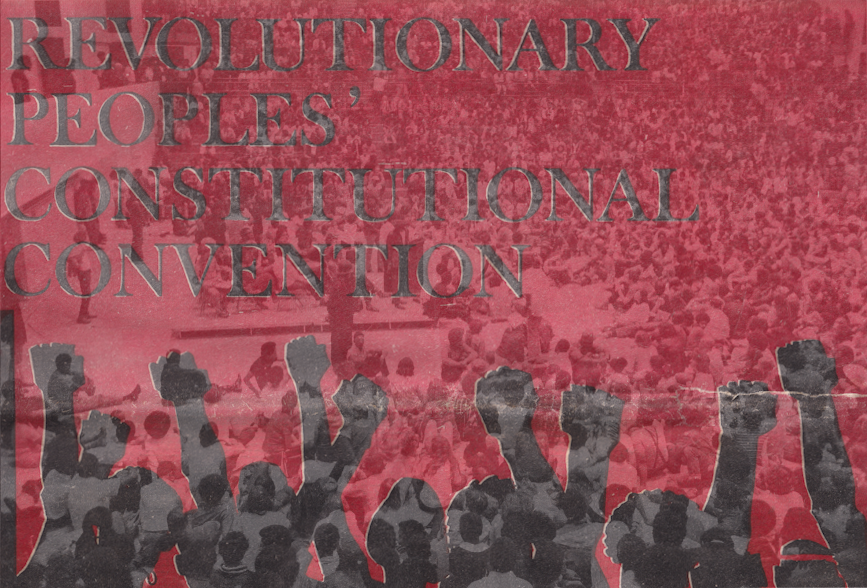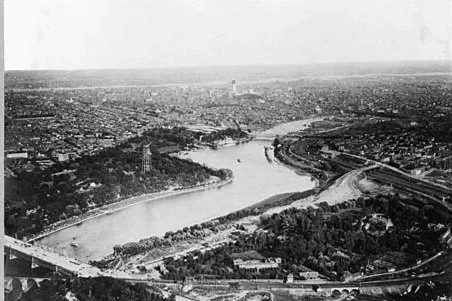
On a warm autumn day in 1970, unusual flags flew on the flagpole outside Temple University’s McGonigle Hall in North Philadelphia. As a gathering of as many as 15,000 people assembled on the campus, the American flag had been pulled down and the image of a Black Panther prepared to strike flew in its place. Crowds far larger than anyone expected had come to what was once the cradle of the United States Constitution for the Revolutionary Peoples’ Constitutional Convention (RPCC), intending to write a blueprint for another revolution.
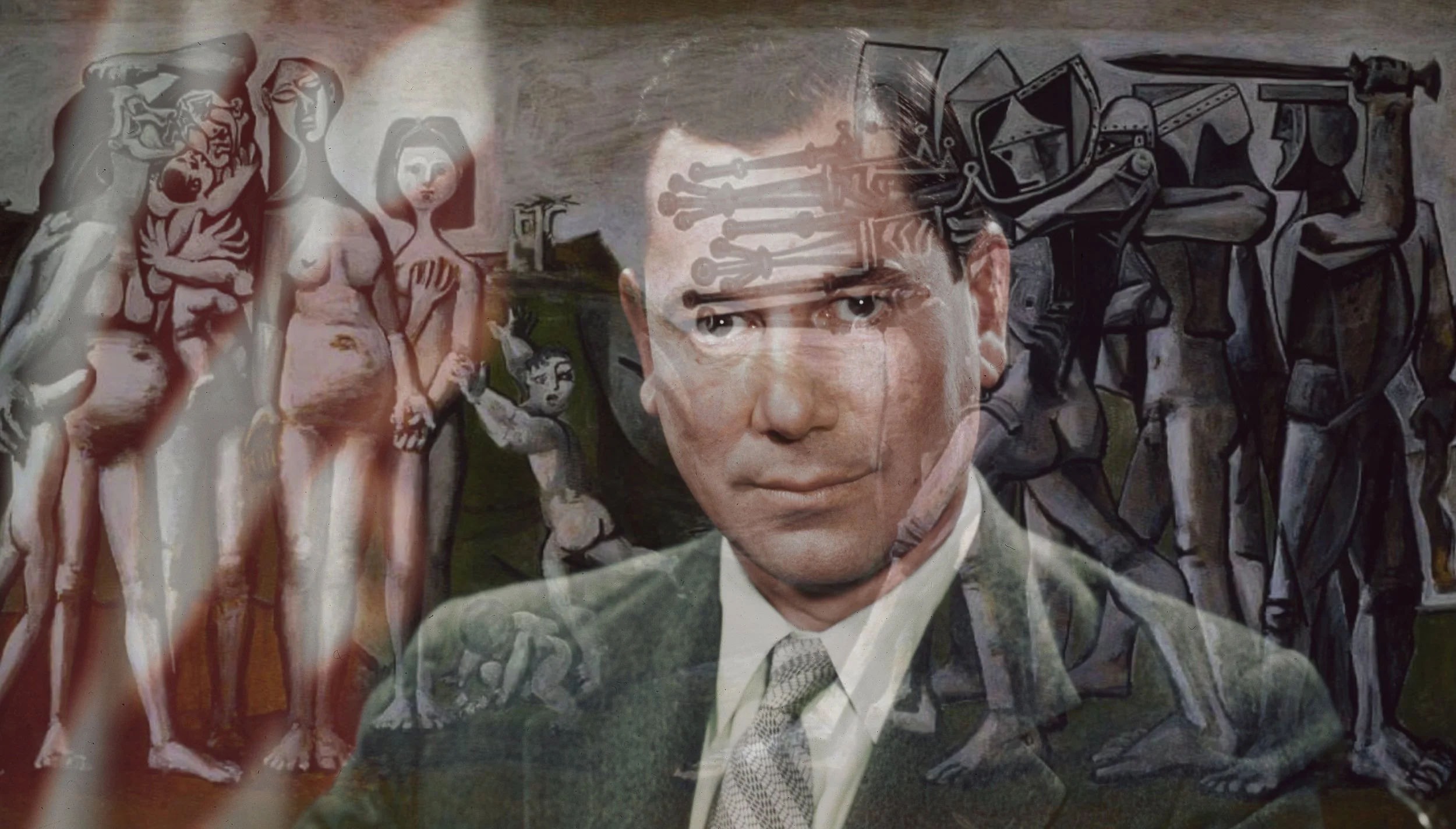
On September 12, 1973, an American Pan Am 707 landed in Shanghai. On board were 120 members of the Philadelphia Orchestra, led by their conductor, Eugene Ormandy. After taking a final late-night flight from Shanghai to Beijing, the orchestra disembarked and was led through the quiet early morning streets by Chinese officials and staffers at the US liaison office in Beijing.
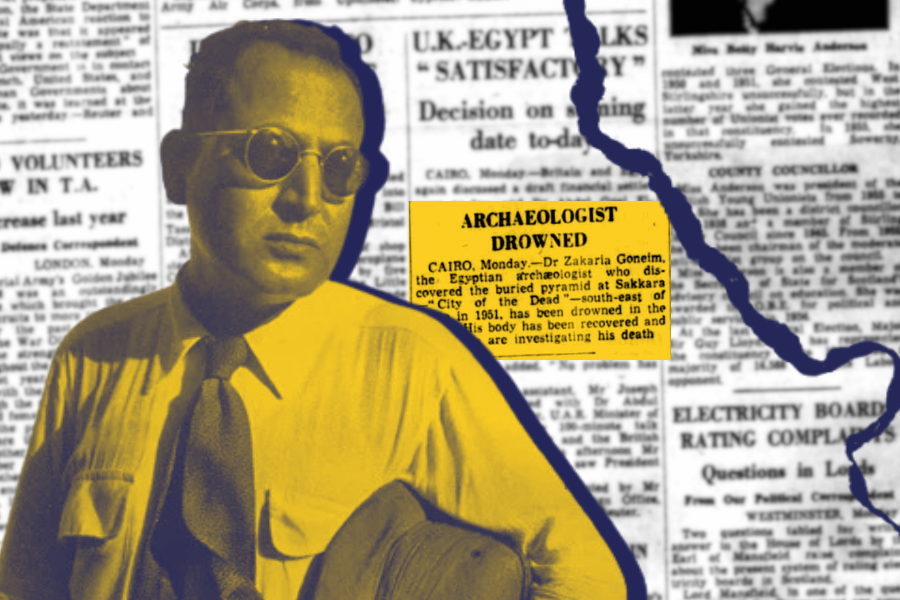
In 1951 Zakaria Goneim made an incredible discovery. Eight years later his body was found floating in the Nile. His death is the second in this story. The first, nearly 4.5 thousand years earlier, set the stage for a conspiracy that still has ripple effects today.
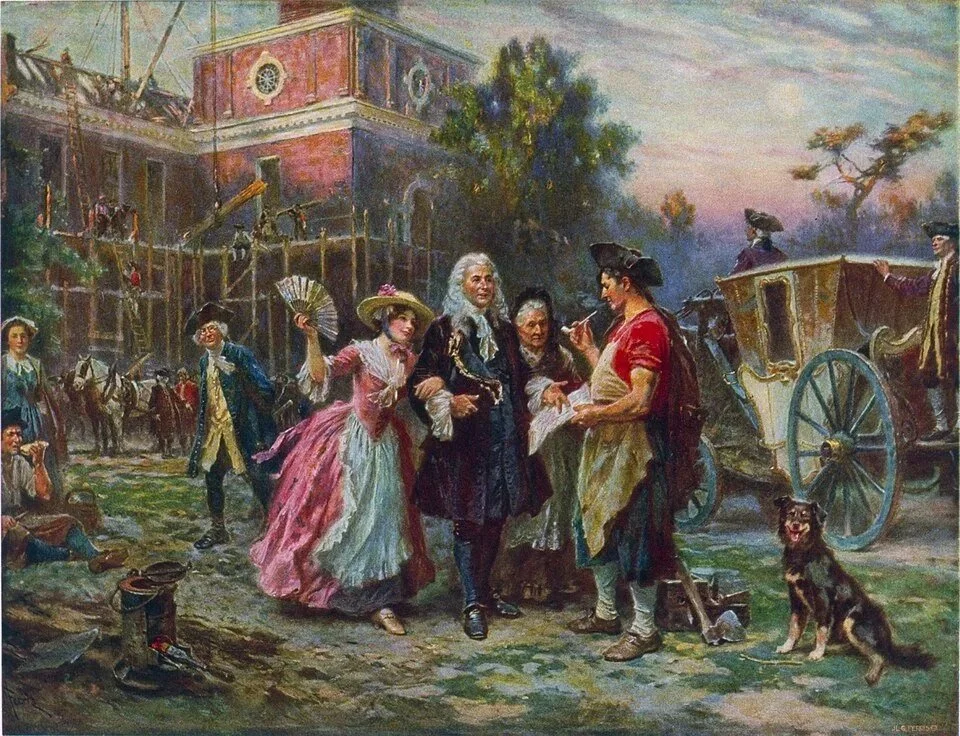
Though Philadelphia has taken on many forms in its almost 350 years of history, it is often associated with an idealized version of the founding values of the United States. According to the traditional narrative, Philadelphia is the cradle of American liberty – the place where the Founding Fathers and political thinkers like Thomas Paine debated the ideas that would go on to define the nation and distinguish it from the monarchies of the Old World.
In the spring of 1778, Philadelphia was an occupied city. After defeats at Brandywine Creek and Germantown in the autumn of 1777, George Washington’s army had retreated to Valley Forge. The Liberty Bell was smuggled out of the city and hidden in a basement in Allentown for fear that it would be melted down to make bullets for the occupation.
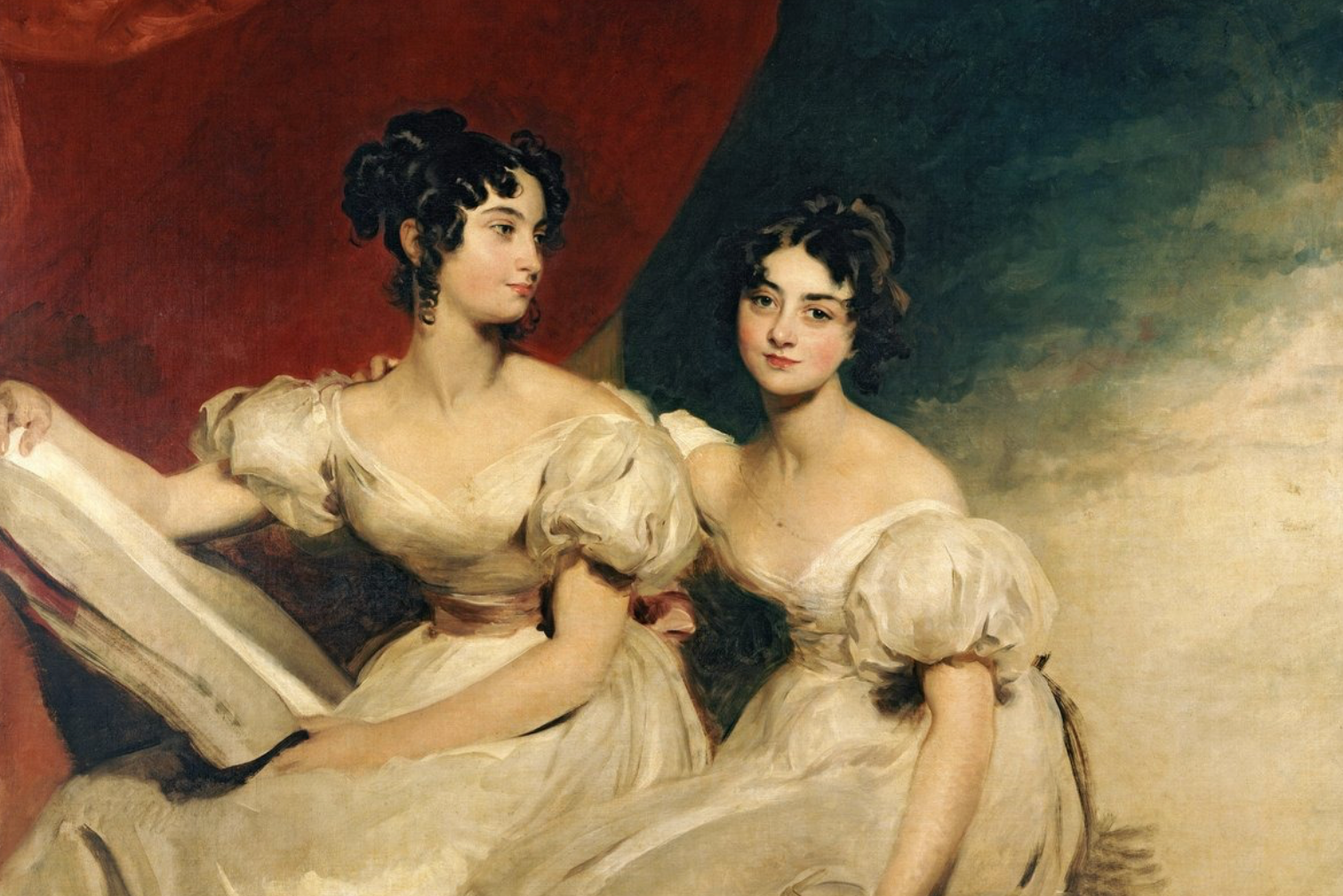
Among his portfolio of portraits of kings, queens, and popes, this iconic Sir Thomas Lawrence painting depicts an unlikely pair of women.